The Slog Blog
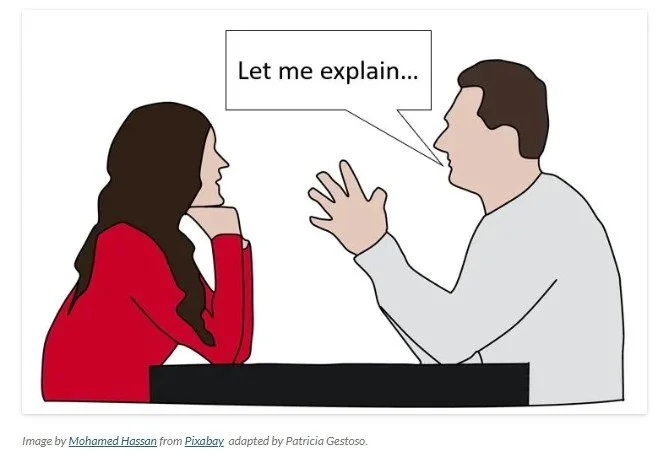

Here's something I find infuriating.
When some health professionals overcomplicate things.
When they use technical, academic jargon to an excessive extent.
And when they focus too much attention on matters which are peripheral in regard to health. The things which have only marginal impact.
This is particularly bad online, where sharing information is often about fostering engagement, and not necessarily being helpful.
Just as Stephen Covey stresses in “The 7 Habits Of Highly Effective People”, principles matter more than techniques.
When you understand the principles behind how something works, you can tailor your approach to the unique circumstances you’re in. You’re not enslaved to a formula. You experience “freedom within a framework” (to quote Two Brain Business Coach Chris Cooper).
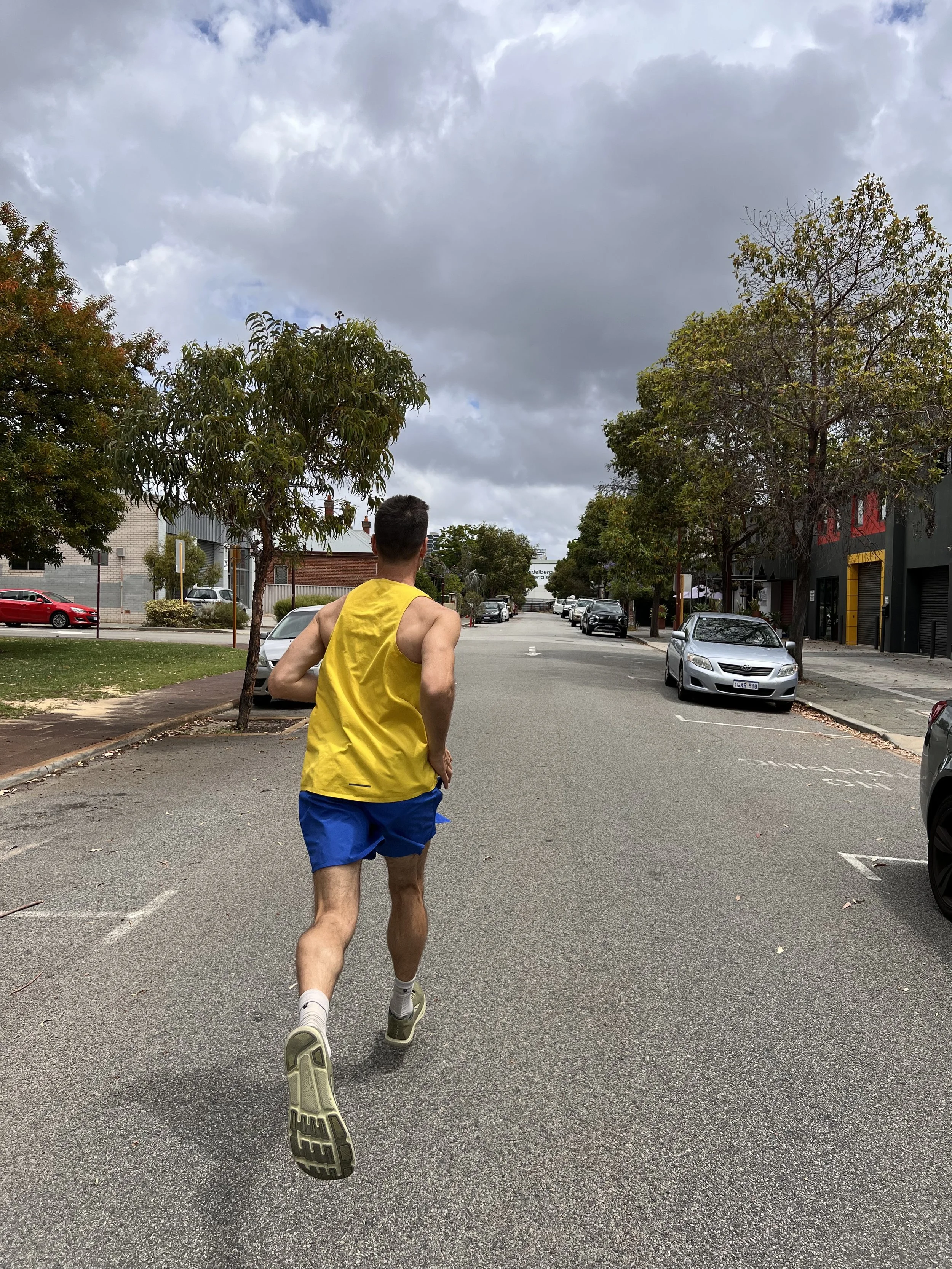
This is true for running.

One of the key things you can do to improve your health is to develop your cardiorespiratory fitness.
We know that if you have good cardio fitness (heart and lung fitness - the type you need to climb stairs, walk fast, ride a bike, swim laps or run a race) you can drastically reduce your risk of many preventable diseases - like cancer, diabetes, stroke and neurodegenerative diseases like Alzheimer’s.
Moreover, decades of research and clinical practice shows that patients who use cardio exercise to treat diseases and conditions can achieve excellent results. HIIT (high intensity interval training) is even being used as a way to fight cancer, during or after treatment. Edith Cowan Uni is active in this research.
A good practice when you decide you want to improve your fitness is to establish a baseline. How fit are you right now?
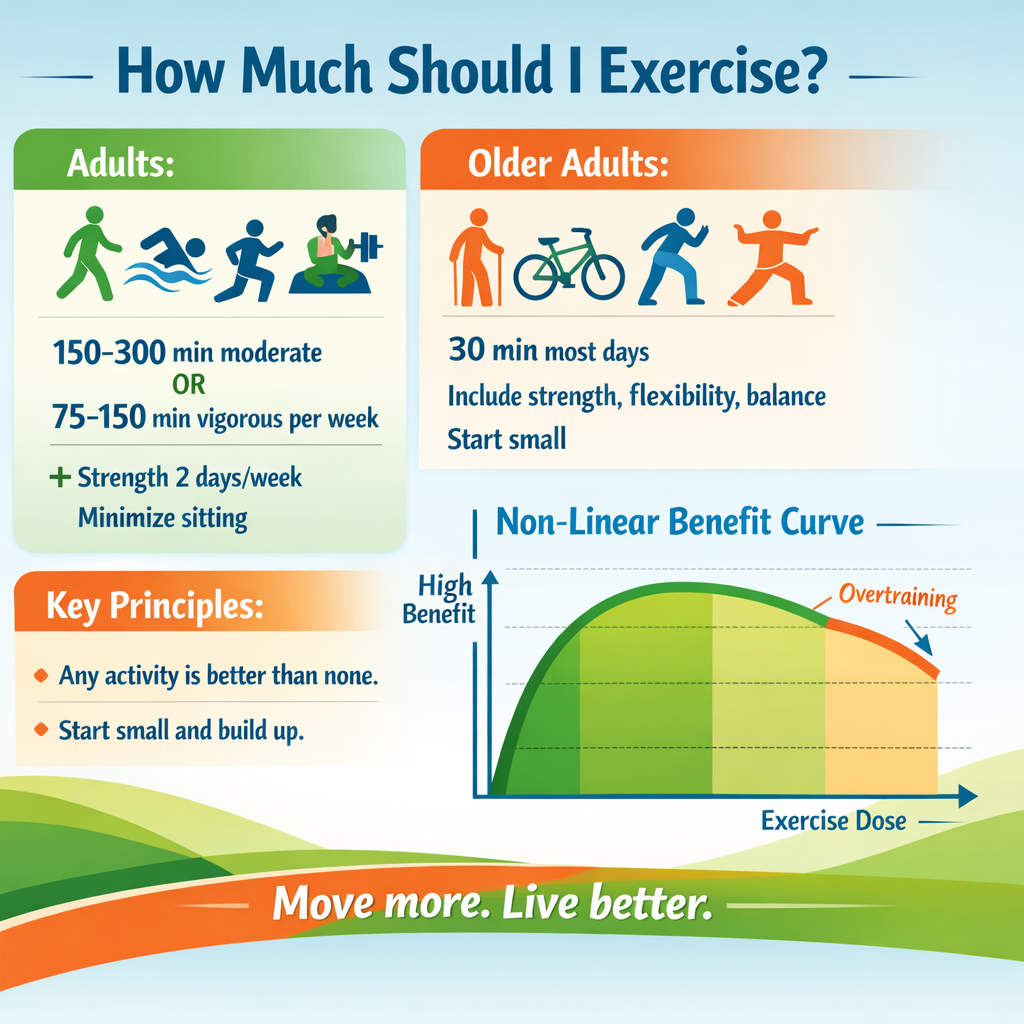
“How much should I exercise?”
This is a question I have had a few times recently.
It’s a tricky one to answer but here I go…
A reasonably trustworthy and reliable rule of thumb is to try to follow the national guidelines for physical activity.
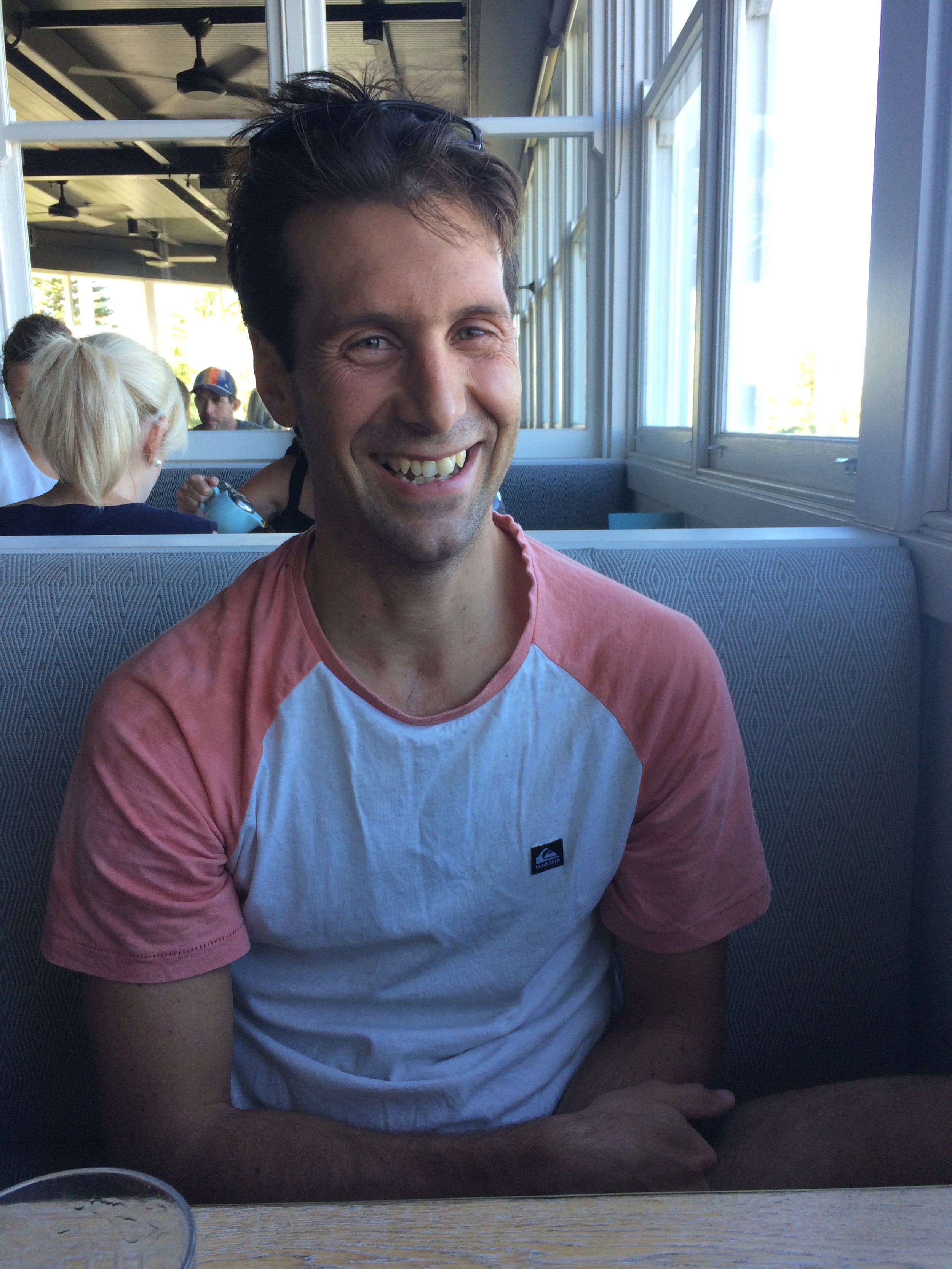
This article has been a long time coming.
It rounds out my “sob story” trilogy! Part 1 is about my journey with Tourette’s Syndrome. Part 2 goes into why my Physio career imploded. Part 3 - this article - is about my personal journey with anxiety.
I’m writing about this for two reasons:
1/ To highlight that recovery IS POSSIBLE.
Sometimes I feel as though we have quite a deterministic view of mental health, regarding it as fixed and unchangeable. If we have depression and anxiety, it’s genetic and nothing can be done except using medication. The old “chemical imbalance” way of thinking is still very common. While I think genetics (and other factors beyond our control) have a very large influence, I believe the things we choose to do and the way we choose to think have a dramatic impact.
2/ To tell the story of how exercise helped me. The healing effect on my brain from regular training has been profound.

How do you best use your exercise program to help your golf game?
Let’s start with this fact:
Our body’s limitations will lead to technique compensations when we swing the golf club.

Strength training is getting a lot of attention from all quarters: health researchers, the media, baby boomers, the young.
Specifically, lifting heavy weight is under the spotlight (where “heavy” is defined as: “heavy for you”).
But there is some risk of injury when you’re lifting heavy weights.
If you don’t control your movement and positioning, and if you select loads which are inappropriate for you, you could hurt yourself.
One aspect of staying safe during weight training is learning to brace your core muscles to protect your spine.
Bracing your spine is also an important aspect of performance, because when we impart rigidity to the spine we can enhance balance, body positioning and efficiency.

Key Points:
Calorie Counting (And Macro Tracking) is not for everyone
But for some people it can be the thing which unlocks substantial fat loss and health improvement
The chief benefit probably comes from creating greater awareness about your particular energy needs and the calorie / macro content of the foods in your diet

Recently I have been working with a few midlife and older adults seeking to lose body fat by using the new weight loss drugs - like Ozempic or Mounjaro.
These people are on a journey in changing their mindset about food and exercise. Indeed, as one client has said, one of the most valuable (yet confronting) mindset adjustment brought about by this process is seeing how much food you actually need - as opposed to how much we find ourselves wanting (with the non-stop food noise buzzing our brains).
(Aside: What a strange reality we have built for ourselves, hey!? Where a massive overabundance of cheap, delicious food is a big health issue).
As I walk with them in this journey, I see some common threads. Some common sub-optimal ways of approaching food and exercise.
I'm stepping them out here, primarily for the sake of these clients, but also so that you may benefit.

The prevalence of back pain is very high in Western countries.
On a personal level, an episode of back pain can be quite a distressing thing to experience and these episodes can escalate overtime into a chronic condition.
Severe, chronic low back pain is also a societal issue, with lots of healthcare resources being funnelled into treating low back pain.
Back pain can also get in the way of healthy pursuits like strength training.

Lots of people get into distance running via Parkrun - the blockbuster running, health and community-building success story of the 21st century.
It can be intoxicating to see your times come down really rapidly when you get started.
But then your progress stalls. And it's common to wonder why and whether you can make the magic come back.
Eventually, of course, a stall in progress will happen to everyone. There's a limit to how much we can improve.
But maybe there's some more speed on the table for you?
Here are some issues that may be holding you back and some thoughts on how to address them. They are not organised in any particular order.
These are the sort of issues that every day, non-professional, recreational athletes face.
And they may be within your power to address.

This article contains instructions for Mods-OGM junior coaches on delivering running fitness activities in the 2025 season.

Running performance is a critical part of many field sports, such as hockey, AFL and soccer. I’ve written about that previously here.
This article is in response to a request I received from some people at my hockey club (Modernians-OGM) about how to build and/or maintain running fitness during the season.
The request was, “Can we have a running program?”. We’ve built up running fitness in the pre-season and players are rightly concerned with maintaining it, and even getting fitter and faster.
Well, I could write a program, but then there’s a fair chance it wouldn’t suit most people. Different people are starting from different fitness levels. Some have years of running experience, others have less. It’s also common to need to make adjustments in the face of injuries.
All of these factors make a one size fits all program tricky to formulate. (But I have provided a bunch of ideas at the end of this article).
Most of all, different people have different amounts of time they can put in to developing their match-specific running prowess.
So, I thought it would be better to outline the principles for HOW you’d do it instead of writing a recipe.
If you want further help, please get in touch (tim@extensionfitness.com.au). I’m happy to help if I can.


There is A LOT you can do to improve your strength, fitness and health by exercising at home.
You DON’T need tons of gear. You DON’T need heaps of space.
In my opinion, all you need is a few kettlebells and dumbbells.
Why kettlebells and dumbbells? Because they are the most versatile, compact, non-ugly (even attractive?) bits of kit you can get which are reasonably affordable.
Want to know why you should consider home-based training and how to do it?
Read on.

Maybe you’ve got a New Year’s Resolution to be fitter, stronger and healthier in 2025?
Maybe you’re an enthusiastic recreational runner, swimmer, cyclist or triathlete?
Maybe you’ve caught the Hyrox bug?

This post is part of a series on exercise for older adults.
In this post, I outlined how aging affects your muscles, bones, nerves and general movement capacity.
Then in this post I put forward some general principles older adults can follow when seeking to get started in working on their strength and fitness.
Here I focussed on the practicalities on strength training (How many sets? How many reps? How heavy? How often?).
In this article, I'm going to focus on fitness: training your heart & lungs (and all your systems - the whole you) for the sake of your health.

Pete O'Sullivan (Physiotherapist - Body Logic & Curtin University), who's a personal friend plus one of my online adversaries & interlocutors on this issue - kindly agreed to have a chat about his own perspective as an active researcher.

Lately I've been thinking and writing a lot about fat loss.
This is mostly because I have a number of clients for whom fat loss is the main reason they hire me.
It can be a tough, intractable problem that's hard to solve.
So I have been thinking deeply about it and trying my best to give them an edge; a solution; a new framework; some motivation; a kick in the pants; some moral support; some insight about the nature of the issue.
But it is also because I'm marketing my business - thinking out loud about the "pain points" of prospective clients and trying to show how I can help address them.
With that in mind, this post is about how you can change your habits in relation to food.
You may have seen the recommendation that you build muscle as a top priority to fight against obesity.
That's sound advice I heartily endorse.
Engaging in strength training, and building up skeletal muscle really does work for fat loss. Having more muscle raises your metabolic rate (you burn more energy).
Being stronger makes exercise easier, which means you may do it more.
Gaining strength makes everyday movement feel easier and better, so there's a fair chance your incidental activity will increase.
But there's other, more subtle, reason to focus on strength training when you're trying to lose a lot of weight - ESPECIALLY for those people who are totally new to regular, consistent exercise...

Ok, we've set the scene and laid out some general principles.
Now, let's dive in to the nitty gritty about how to engage in strength training and improve your cardiorespiratory (heart and lungs) fitness.

If you’re an older adult, and you want to start exercising - especially strength training - this article is required reading!
I've deliberately chosen that topic (as opposed to just "exercise") because strength training is more complicated and technical than straight fitness training, and people feel the need for more professional help getting started.
There's more potential for injury, and people are confused about various things (How heavy? How often? Which exercises? etcetera).
In this blog post, I'll step out exercise principles which generally apply to both fitness and strength work but with particular attention to strength training in a gym context.

An important element of enjoying running, and ensuring longevity as a runner, is finding a form of cross training which can support your running training.
What Is It?
Cross training is a way to build running fitness without running. Typically, it involves exercise that mimics running but without so much impact on your body - cycling, walking, stair climbing etc.

Unless you've been living under a rock, you've seen articles in the media about the importance of strength training for older adults.
This year, I've fielded a number of enquiries from men and woman aged 60 and above who’ve been prodded into action through the media, or by popular podcasters like Peter Attia (author of the bestselling book, Outlive) and Andrew Huberman.
What's with that? Why does the media - and these podcasters - want you to lift weights all of a sudden?

This is an article to set the scene for people looking to lose body fat.
It is a big picture view of the things which matter, or are commonly talked about, when it comes to pursuing that goal.

Short, intense, home-based strength and fitness workouts are a great way for busy Dads to fit in the physical training they need. Here's another example of what I mean.

"Strides" are a great way to warm up and fantastic for building strength, speed and coordination without a high fatigue cost or lots of stress on your body.
This is especially so for beginner and intermediate runners, who may run with poor form at slower paces but have good technique at higher paces.
KEY POINTS:
Rational thinking and decision making is an ethical requirement.
Rational thought processes and communication build credibility and engender trust.
Rationality is in keeping with our brand. Sensationalist and irrational thinking is “off brand”.
Just making stuff up is ubiquitous in the fitness industry (”muscle confusion”, “muscle balance”, “myofascial release” etcetera). We CANNOT be like this.
Instead, we need to embody empirical reasoning.
We DO NOT need empirical answers for every question. But when risk is high, or a emphatic statement is being made, we DO need to be able to produce empirical verification.